
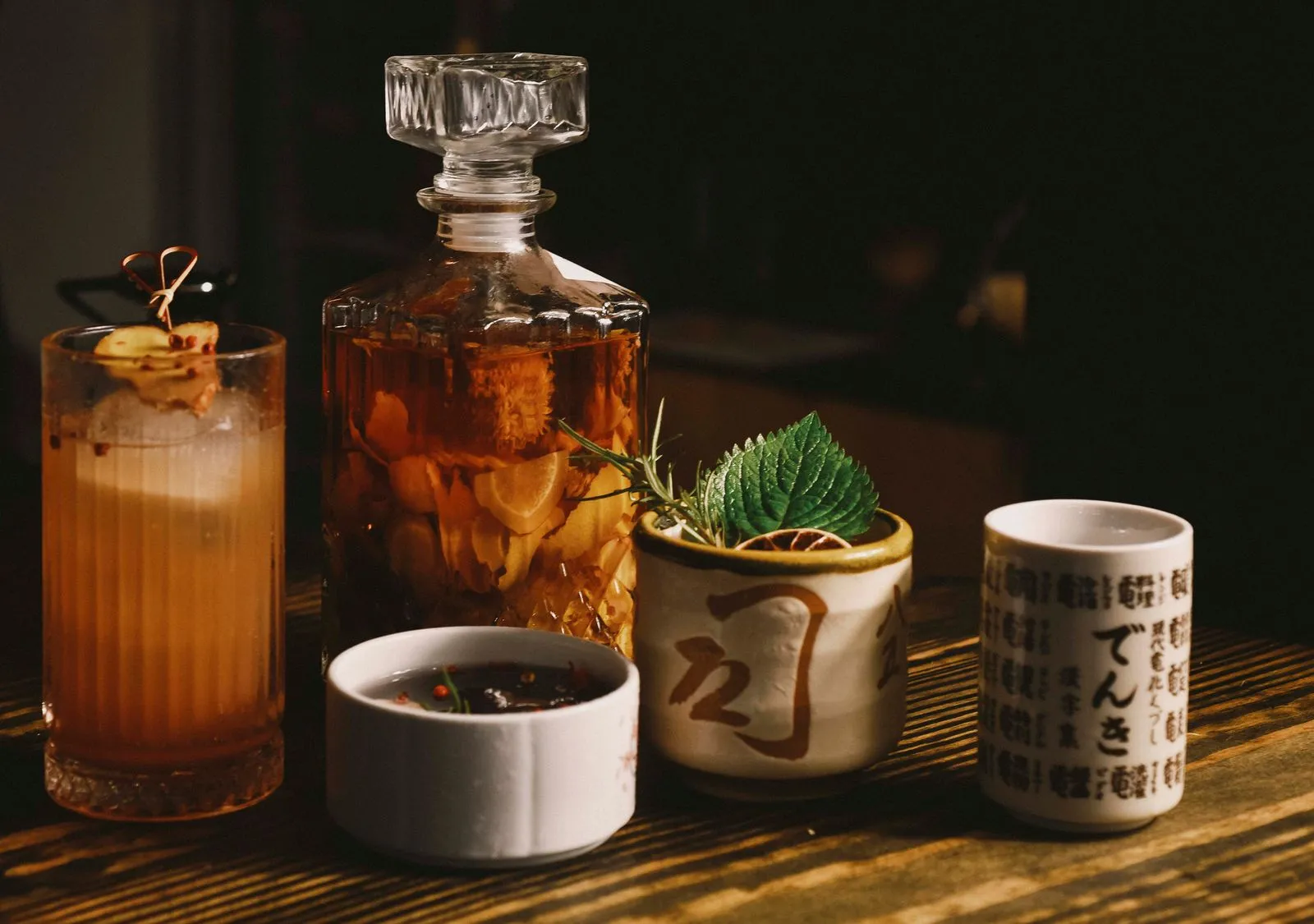
Kombucha starts as sweetened tea, but fermentation gradually changes its flavor. A culture of yeast and bacteria uses some of the tea’s sugar and produces acids, gas, and other flavor compounds. That process creates kombucha’s familiar tang, while the tea and brewing conditions shape its character. Knowing what happens during fermentation can help you understand why one batch tastes crisp and mild while another is sharper, more tart, or more bubbly.
How Fermentation Changes Tea
Kombucha fermentation begins when a culture, often called a SCOBY, is added to sweetened tea. Yeast breaks down some of the sugar and produces alcohol and carbon dioxide. Bacteria then use some of that alcohol to make organic acids. The balance of these changes depends on the culture and conditions, but together they turn a sweet tea into a drink with a more complex, tart taste.
Sugar does not simply disappear, and fermentation does not follow an exact schedule in every kitchen or brewery. The drink may retain some sweetness while its acidity develops. As the flavor shifts, tea notes can become less prominent or take on new depth. Kombucha is a living, changing brew, so its taste reflects the activity of its culture as well as the ingredients that went into it.
Why Kombucha Tastes Tangy
The tang comes mainly from acids made during fermentation. As these acids build, they balance the sweetness and give kombucha its bright, tart character. A younger brew may taste sweeter and gentler; a longer-fermented brew often tastes sharper and less sweet. These are general tendencies, not guarantees, because the culture, tea, temperature, and other brewing conditions also influence the result.
A well-made batch can still have a range of flavor notes. Depending on the tea and additions, you may notice earthy, floral, fruity, or gently sour qualities. Tanginess alone does not tell you whether a batch is right for your palate. Taste matters, but safe brewing practices matter too: use clean equipment and a reliable recipe, and discard a batch if you see fuzzy mold or notice an unusual, unpleasant odor.
What Makes Batches Different
Small changes in brewing conditions can shift the final flavor. Warmer surroundings generally speed fermentation, while cooler ones can slow it. The type and strength of tea, the amount of sugar, the culture’s condition, and the length of fermentation all play a role. Even when you follow the same recipe, room temperature and the activity of the culture may differ from one batch to the next.
Ingredients added after the first fermentation can create more variation. Fruit, herbs, spices, and juice contribute their own flavors and sweetness. If you bottle kombucha for a second fermentation, yeast can produce additional carbonation as it uses available sugars. Because sealed bottles can build pressure, follow a tested method, use bottles intended for carbonation, and chill them when they reach the desired fizz.
How to Find Your Preferred Flavor
If you brew at home, taste the kombucha as fermentation progresses using clean utensils. Make brief notes about the date, room conditions, tea, and flavor. This helps you spot patterns and repeat batches you enjoy. Avoid tasting directly from a shared jar, and use a consistent method so your observations are useful. If a batch tastes too sweet, it may need more time; if it is too sharp, try a shorter fermentation next time.
Change one variable at a time when adjusting a recipe. For example, keep the tea and sugar amounts steady while changing the fermentation time. This makes it easier to understand what affected the taste. If you prefer a milder drink, refrigerate it once it reaches a flavor you like; chilling slows fermentation but does not stop it completely. Keep finished kombucha refrigerated and follow sound food-safety guidance.
Fermentation is what gives kombucha its tang, layered flavor, and lively character. The culture, ingredients, temperature, and time all influence how each batch turns out, so some variation is normal. With careful brewing and a little note-taking, you can learn which flavor balance suits you. If you have questions about herbal kombucha, Lake Effect Kombucha is happy to help.