
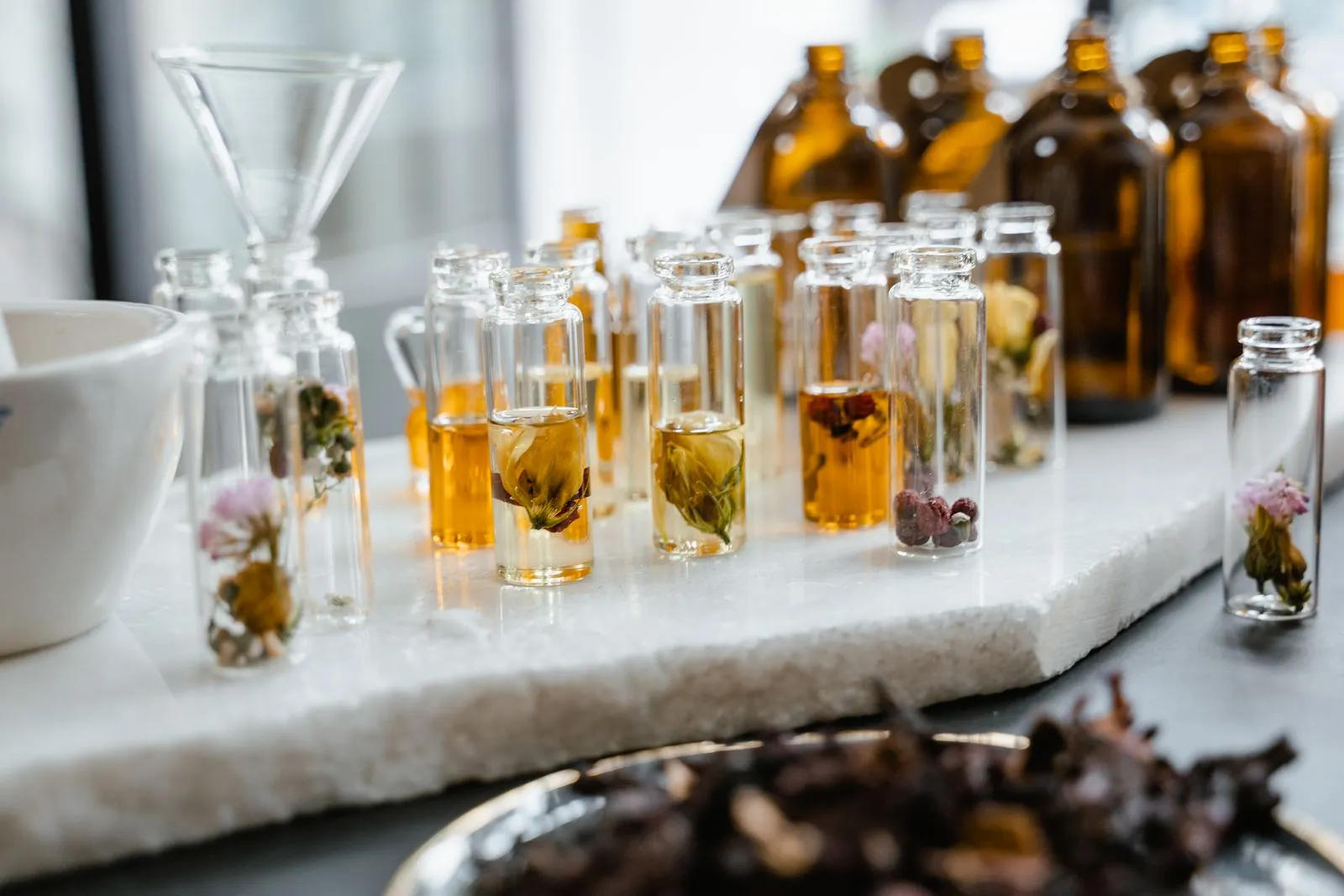
Choosing an herbal kombucha flavor gets easier when you know what to notice. Start with the herb’s character, then consider how tart the drink is and how much sweetness balances it. Some blends taste bright and crisp; others feel rounded, aromatic, or gently earthy. You do not need to know every herb by name. A few simple comparisons can help you find a flavor you enjoy on its own or alongside a meal.
Start With the Herbal Notes
Herbs bring different impressions to kombucha. Mint and lemon balm often suggest a cool, fresh quality, while rosemary can come across as piney and savory. Ginger adds warmth and spice, and floral herbs may give a blend a softer, more fragrant character. These are useful starting points, though the final taste depends on the recipe and how the herbs are combined.
Think about flavors you already like in tea, cooking, or sparkling drinks. If you prefer crisp and refreshing tastes, try a blend with mint or citrus herbs. If you enjoy savory or warming flavors, look for rosemary or ginger. When a label lists several herbs, check which one appears first or is highlighted in the flavor name, then ask for a description if you are unsure.
Find Your Tartness Level
Kombucha gets its tang from fermentation, but that tartness can feel different from one bottle to another. A brighter, sharper finish may suit someone who likes sour foods or dry sparkling drinks. A gentler tang can be easier to enjoy if you usually choose mild teas or less acidic beverages. Herbal aromas can also shape how tart a sip seems, so taste the drink as a whole rather than judging by one note.
If possible, sample a small pour before choosing a full serving. Take a sip, pause, and notice whether the tang feels refreshing, too sharp, or pleasantly balanced. Serving it chilled can emphasize its crispness, while letting it sit briefly may make the aroma easier to notice. Avoid shaking a carbonated bottle; open it carefully and follow the maker’s storage guidance.
Consider Sweetness and Balance
Sweetness can soften tartness and round out bold herbs. A sweeter blend may make ginger feel gentler or bring out floral notes. A drier-tasting kombucha can leave herbs and acidity more prominent. The word “dry” describes the taste, not necessarily the drink’s ingredients, so check the product information if you need details about sugar or other dietary considerations.
Pay attention to the finish after swallowing. If sweetness lingers, a more tart or savory blend may fit your taste better. If the finish feels too sharp, try a flavor with a rounder profile. You can also pair kombucha with food: crisp, tart blends can complement rich dishes, while softer herbal flavors may work well with lighter snacks. Let your own preferences guide the match.
Use a Simple Tasting Routine
Compare flavors one at a time and use the same conditions when you can. Serve each drink chilled, pour a small amount into a clean glass, and take a moment to notice the aroma. Then consider three things: which herb stands out, how strong the tartness feels, and whether the sweetness balances it. A quick note on your phone can help you remember what you liked.
When buying a flavor you have not tried, look for clear descriptions of its herbs and taste profile. Ask whether it is more tart, more sweet, or more aromatic, rather than relying on a flavor name alone. Lake Effect Kombucha is one local option in Buffalo; wherever you shop, a small sample or a straightforward ingredient and flavor description can make the choice less uncertain.
The right herbal kombucha is the one whose aroma, tartness, and sweetness feel balanced to you. Start with herbs you recognize, sample when possible, and notice the finish instead of choosing by name alone. With a little tasting, you can build a clear sense of the flavors you prefer and choose your next bottle with confidence.